


What are the benefits of my child learning a second language?
So many! Here are a few that really stand out:
- Brain power boost! Studies have demonstrated improved problem solving, critical thinking and memory skills in bilingual learners.
- Better cognition. It’s all about HOW the brain thinks. Bilingual children are often better at multitasking, concentrating and have enhanced creativity.
- Cultural tolerance, curiosity and empathy. When children are exposed to another language and culture, it widens their view of the world. They begin to understand what diversity is by celebrating and understanding differences. And that’s certainly something to be encouraged!
- Language for life. Learning more than one language from an early age makes it much easier to learn further languages in the future due to the parts of the brain that are activated and required to retain this knowledge.
- A brighter future. Having knowledge of more than one language can offer more opportunities for your child in their future life and career.
When should my child start learning another language?
The earlier, the better. We all know that children are like sponges and absorb the world around them. Language is no different, in fact there is plenty of evidence to suggest that learning another language from birth is the best possible way. It’s all down to the science of how knowledge is stored and accessed in the brain in children in their early years. When something is natural to them, they just learn it, with minimal effort.
The more they hear another language being spoken around them, the easier it is to grasp the natural rhythm and complexities of it. Grammatical structures fall into place with more ease, rather than learning them completely from scratch at an older age.
Some studies have shown that children’s ability to learn a second language reaches it’s peak by about 6-7 years of age, others believe that this can still extend through puberty. However, most findings show that after puberty, it becomes much harder for children to learn a second language, which could explain why many children struggle to connect with a second language during secondary education.
How can I encourage my child if I don’t speak another language?
By giving them the tools to learn and being consistent. As with any skill, routine and repetition are key particularly with language. Building this into day to day life might seem like an impossibility if you don’t speak another language, so let someone else do the work for you:
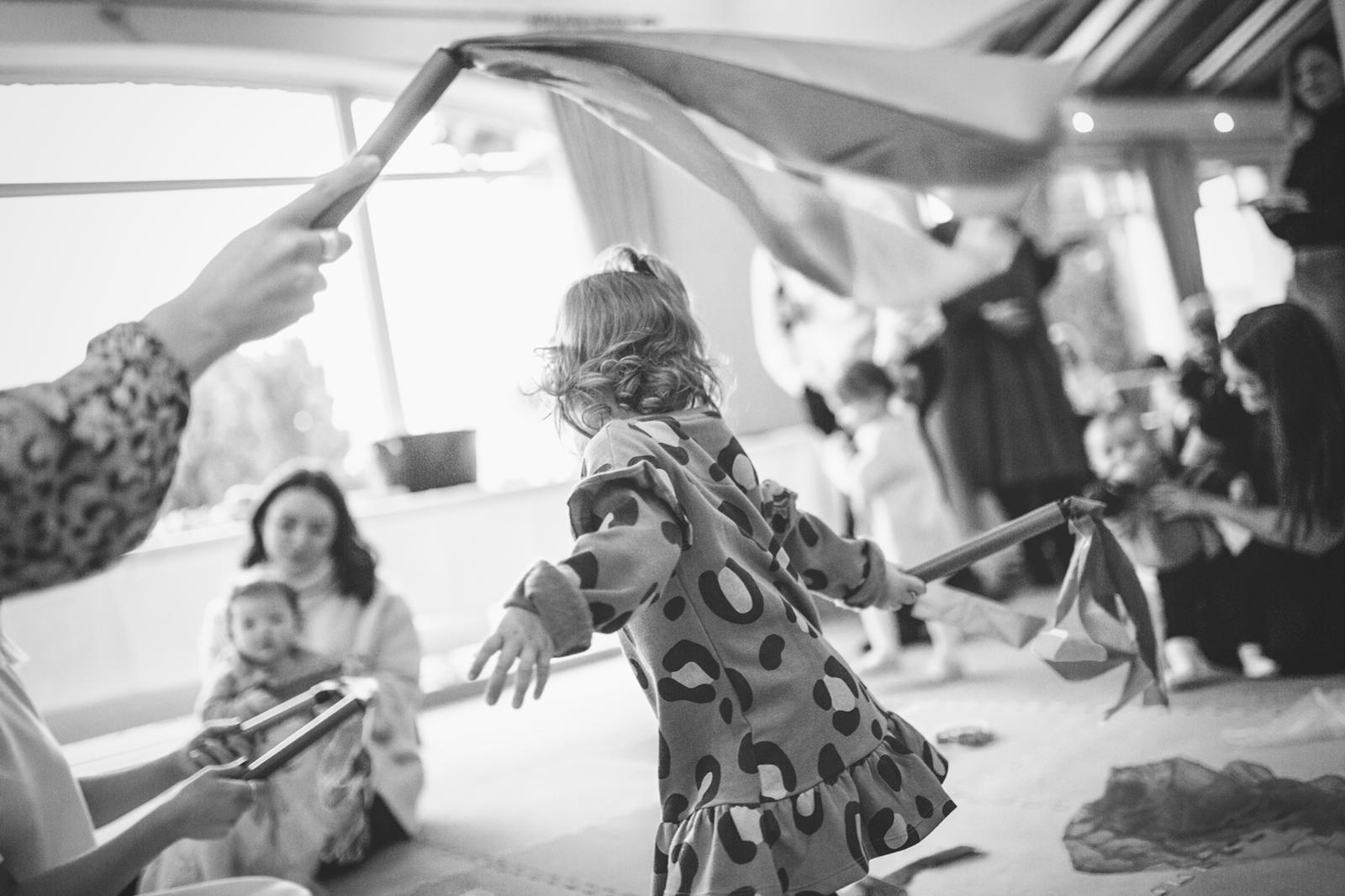
- Classes – EnCantada classes are the perfect place to start! A relaxed and stimulating environment for your child is essential. They also give you the opportunity to learn vocabulary that you can use at home. The more you use it, the more natural it will be for you and your child.
- EnCantada Online – Our online learning programme can be used wherever you are and whenever you like. It’s bilingual and immersive, so they learn lots of vocabulary subconsciously through the music and the interaction that they hear all the way throughout. Since it’s specifically designed for the Early Years, it’s got everything you need to inspire a love of language from the youngest age.
- Bilingual Music – Rhythm, melody and vocabulary learning all go hand in hand to help children learn and make it stick too. EnCantada bilingual music does just that AND gives your little ones plenty of opportunity to move at the same time, developing those all important gross and fine motor skills too! As EnCantada music is created in digital format, you can easily transfer it to any audio listening device with a customisable facility. So they can listen and play while having more opportunity to learn Spanish too! ¡Perfecto!
- Activities & Resources – Every learning theme created for EnCantada Online comes with it’s own set of activities and resources and there are 5 activities available for each session. Meaning year round learning for your little ones to give them confidence to speak more. These range from crafts, to baking and plenty of outdoor opportunities too, so make sure you check out the EnCantada Online Enhanced subscriptions, or the EnCantada Shop to get going with more Spanish!
- Online Resources – EnCantada is on YouTube! So make sure to check us out on there for more fun learning. It’s such an amazing tool for language learning as it is for many things. You can find songs, videos, books…all sorts! Setting up a playlist is a simple way for your child to watch and listen with security and you can continue to add to this as you go along.
- Music Streaming – As well as EnCantada music, there is a whole world out there filled with Spanish children’s tunes, pop hits and of course, many other languages too. If you use a streaming service, set up a playlist for your children and add songs to listen to on the go. The Top 50 Spain is always a go to on our car journeys, just ensure to activate the profanity filter in your settings to make sure it’s appropriate for them.
- Books – We have the world at our fingertips online and there are so many bilingual books out there. Take a look online or visit your local library or bookshop and ask. There are some gorgeous options available, some can be pricey, but consider sharing with family and friends that you want your child to learn another language. People can find it difficult to choose gifts for children and most people prefer to give birthday and Christmas presents that have a practical use. And make sure you check out second hand websites too, they are full of hidden gems!
- Audiobooks & Podcasts – Just like with music, streaming services have so many of these to offer for young children as well as adults. And because Spanish is such a widely spoken language, there are tons available, just start exploring and see which ones they engage with the most.
- TV & Film – Again, these can be sought out online if you’re looking for something specific. Many streaming services allow you to change the audio language of programmes, so your little one can enjoy their favourites while learning a different language at the same time. For parents, this can also help you to grasp the basics of the language without too much effort, change the audio to Spanish and activate the Spanish subtitles to immerse yourself too.
- Travel – Giving children a chance to interact with the language they’ve been learning can so beneficial as it encourages self-confidence and gives their skill a real purpose. If you’re able to go abroad on holiday, consider a location where they will have the chance to do that to build on their experience and enjoy embracing another culture. Ask them to greet people in the native language and encourage them to show off! Most children love to! If it works around your schedule, try and visit during special festivals and local events to allow them to enjoy different traditions and celebrations.
Will it impact their academic development?
Yes, in a very positive way! As we already know, there are so many benefits to learning a second language. But one of the main academic benefits is the deeper understanding you gain about your own language. Grammar, reading, writing and communicating all improve, not to mention your vocabulary.
We make links between the vocabulary we already store in our native tongue and understand more about the structures and meanings of words which allow us to use them more accurately. Take the word ‘guilty’ in English, the Spanish word for guilty is ‘culpable’, a synonym for guilty in English, already your vocabulary broadens. It’s fascinating for us language nerds out there!